THE CIRCLE
Scope
Architecture
Year
2023
Type
Commercial
Size
3,600 m²
Status
Under Construction
Location
Amman , Jordan
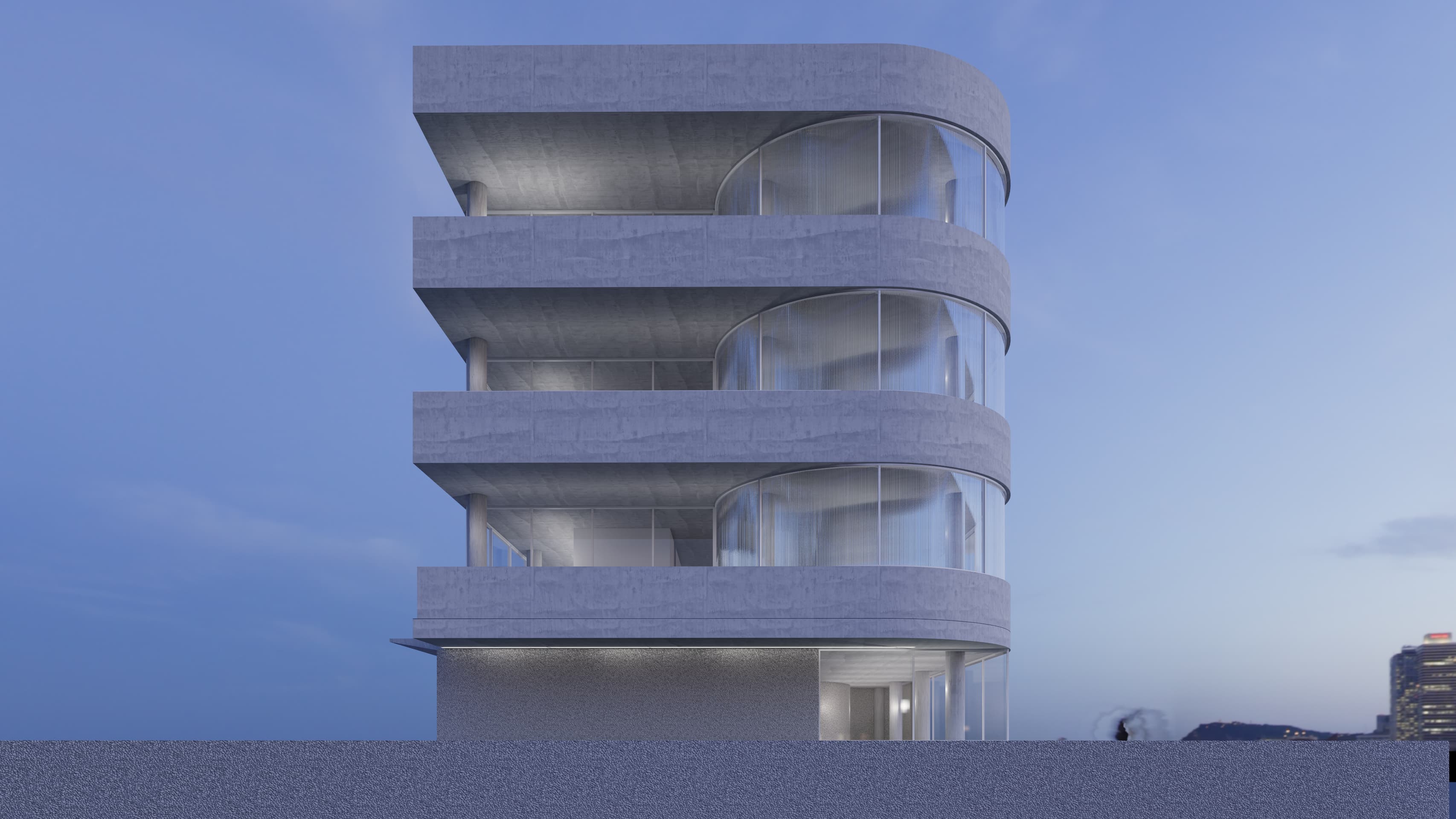
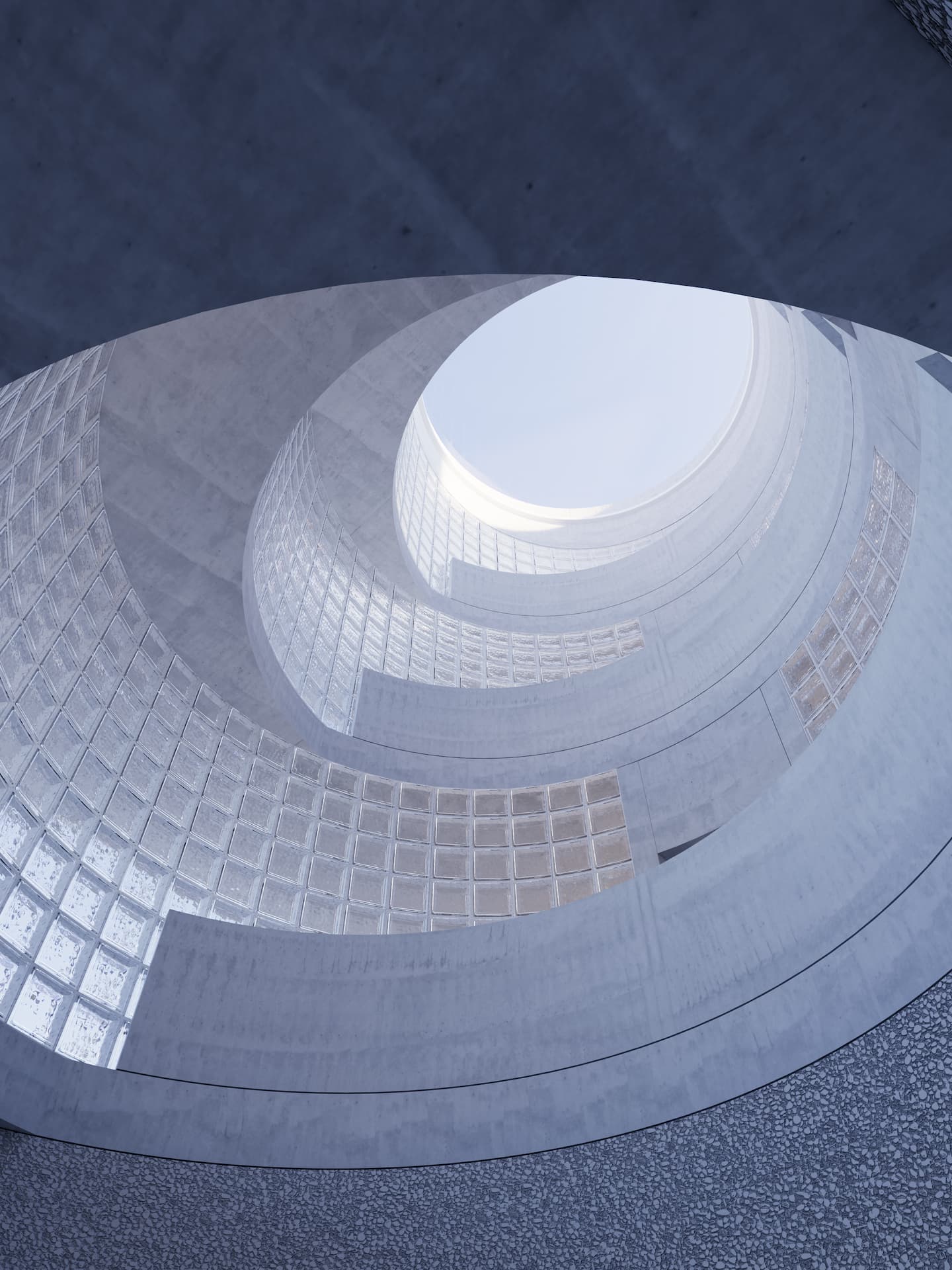
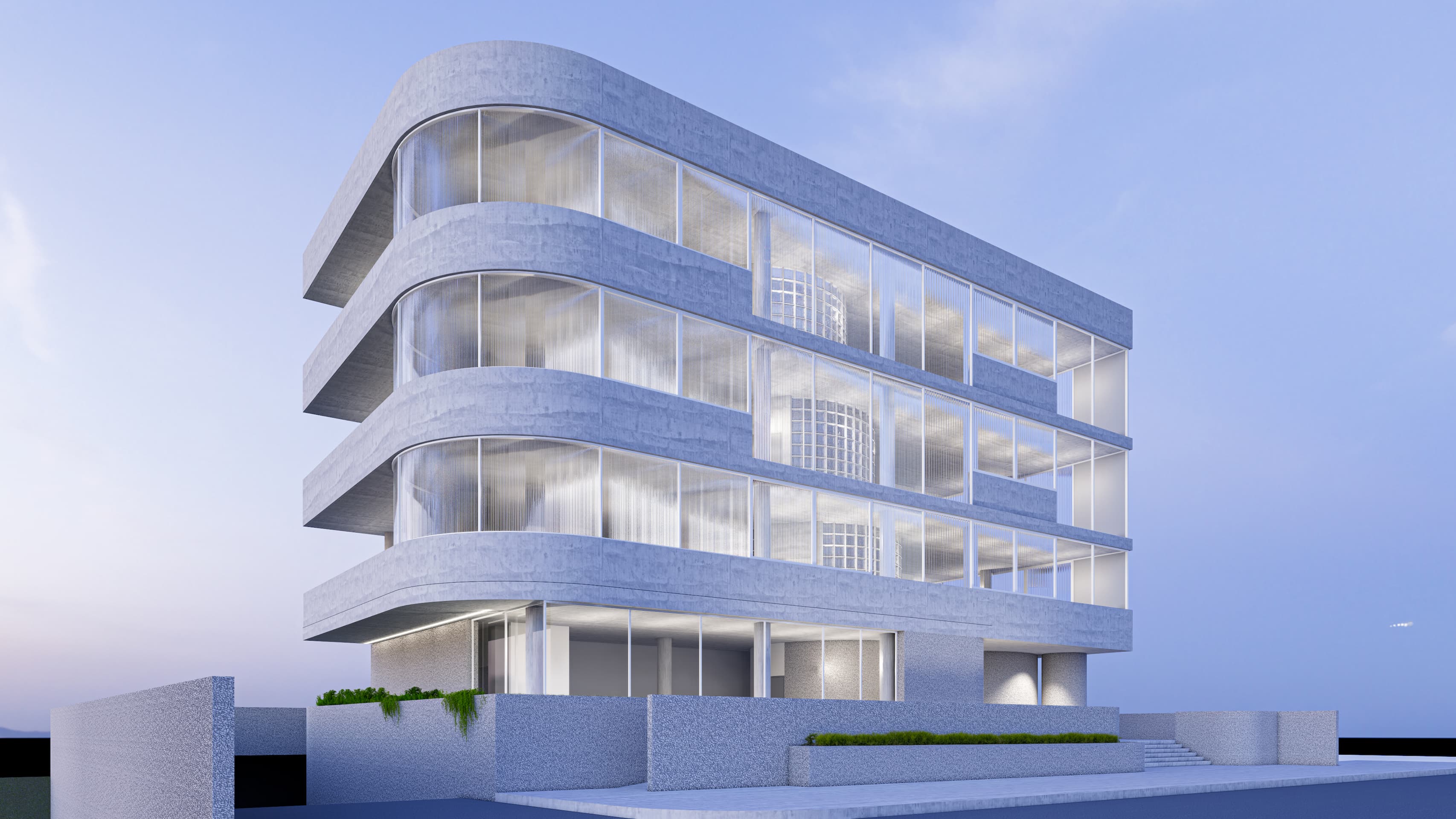
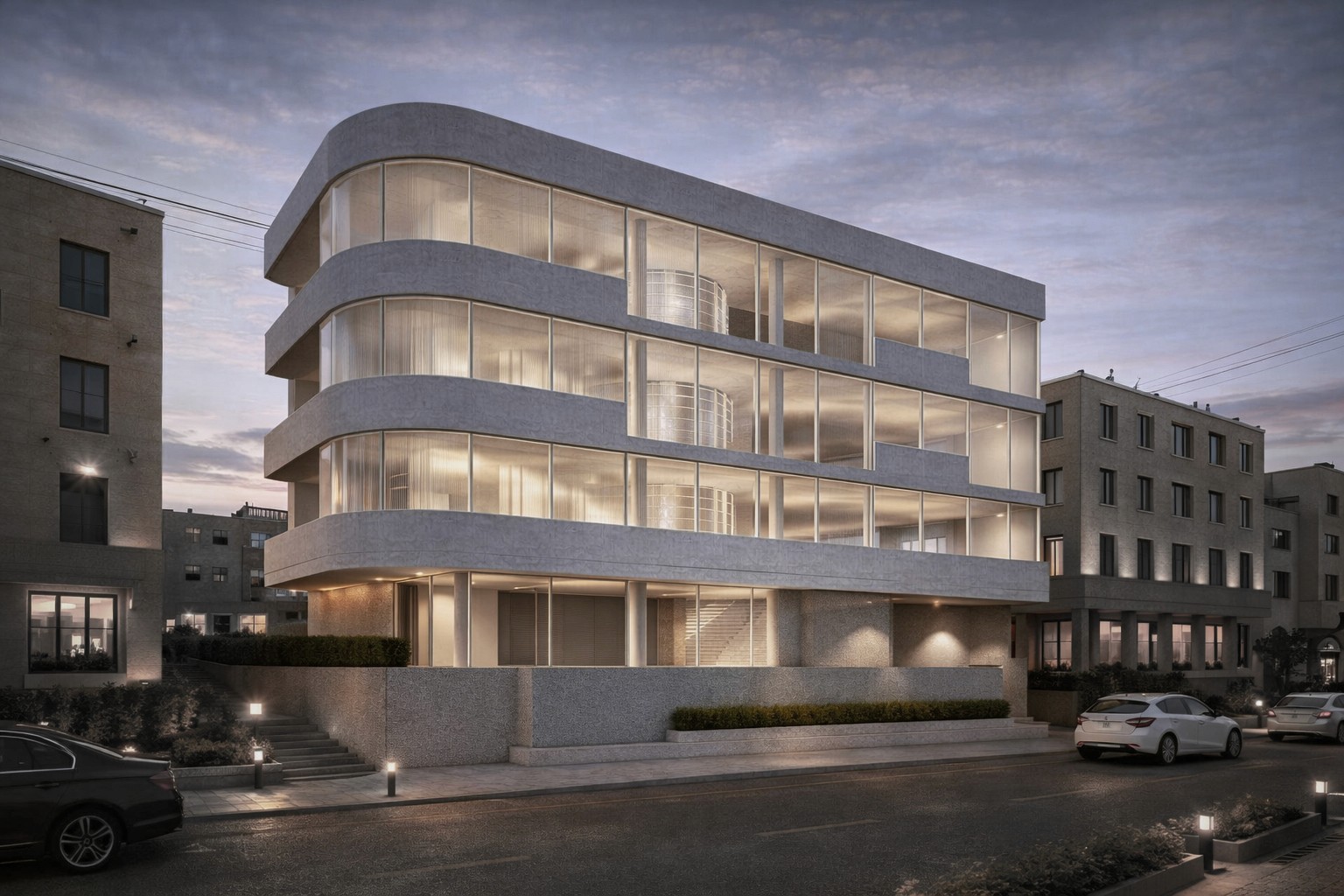
The Circle is a 3,600-square-meter commercial landmark designed as a sculptural intervention within the dense urban fabric of Amman. The project challenges the traditional "solid" typology of the city's stone-clad architecture by introducing a rhythmic play of horizontal concrete ribbons and a central, light-carved void.
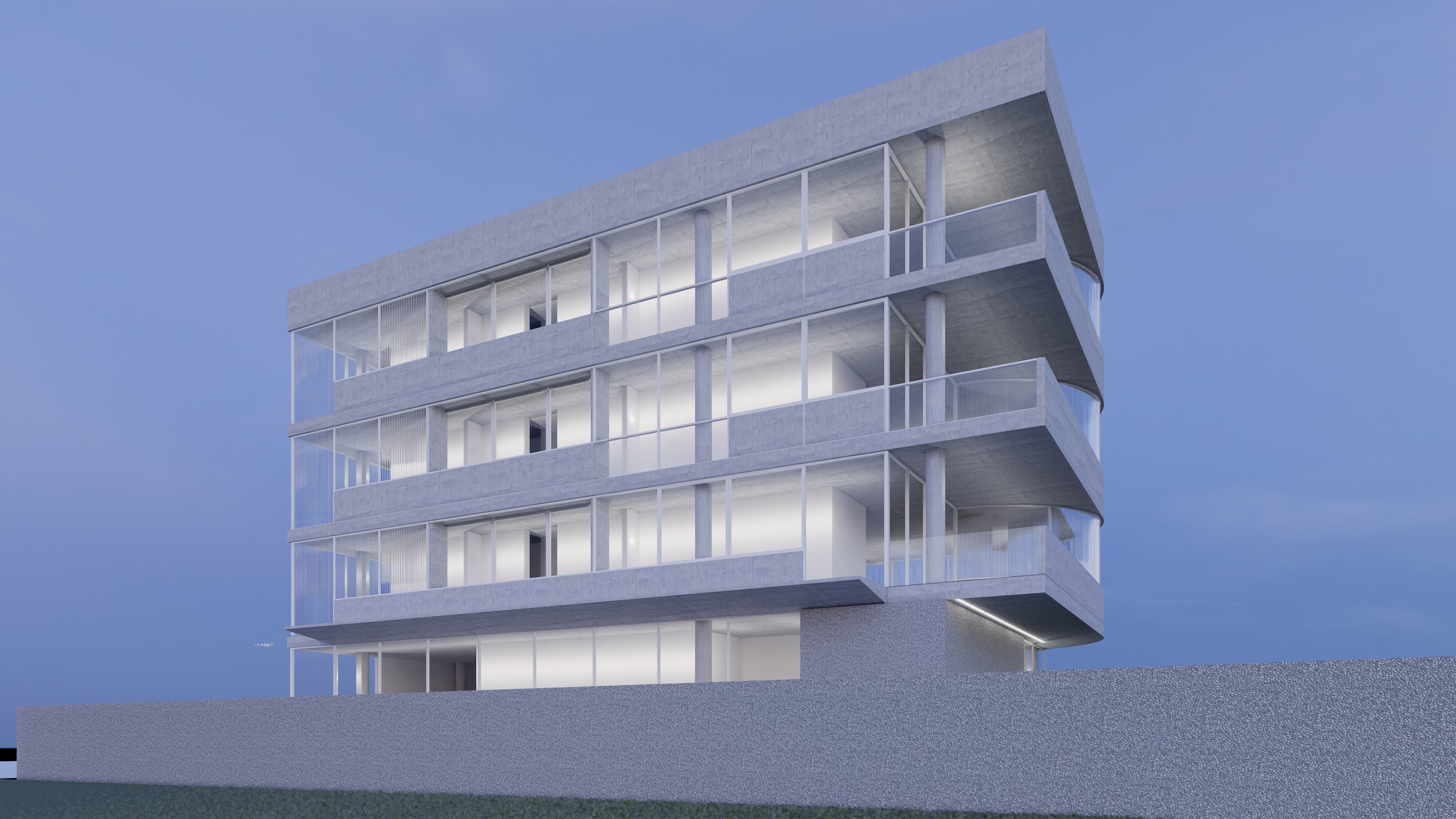
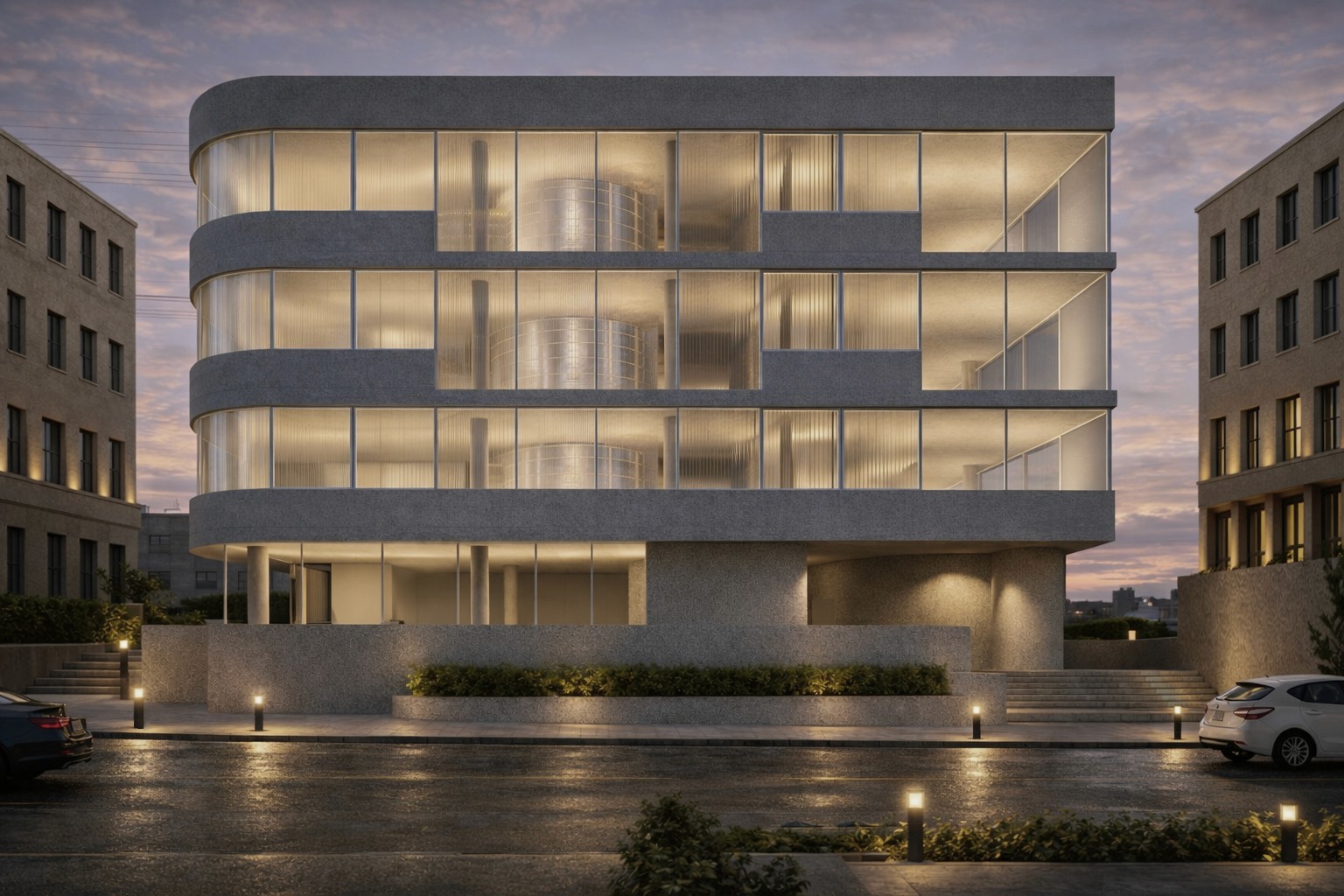
The building’s identity is defined by its deep, cantilevered concrete slabs that wrap fluidly around the perimeter. These aren't merely aesthetic; they serve as functional brise-soleil, protecting the expansive glass facades from the intense Levantine sun while creating a series of "floating" outdoor terraces. This creates a soft, curvilinear profile that breaks the rigid geometry of the surrounding streetscape, offering a sense of movement and transparency rare in commercial developments of this scale.
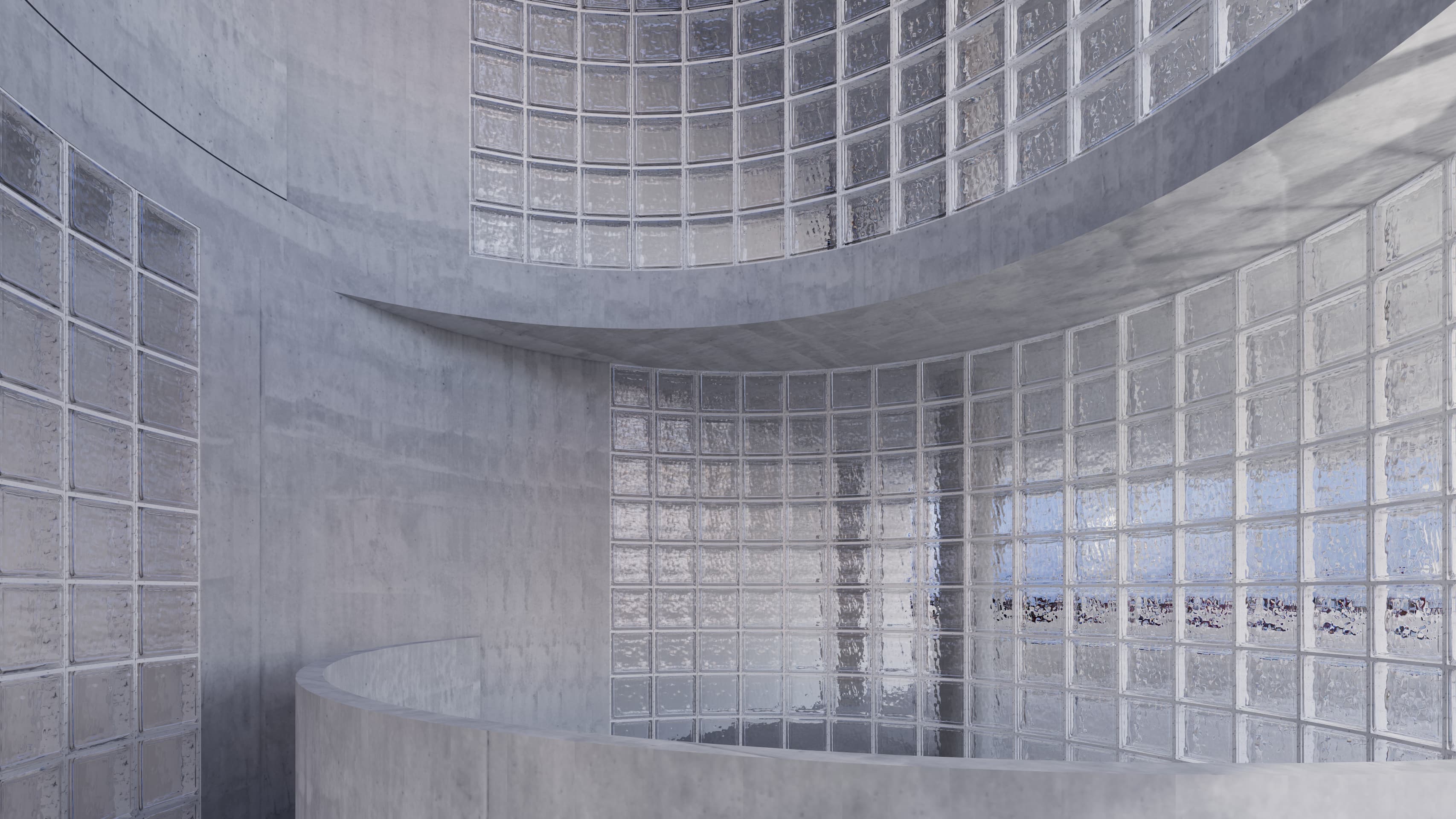
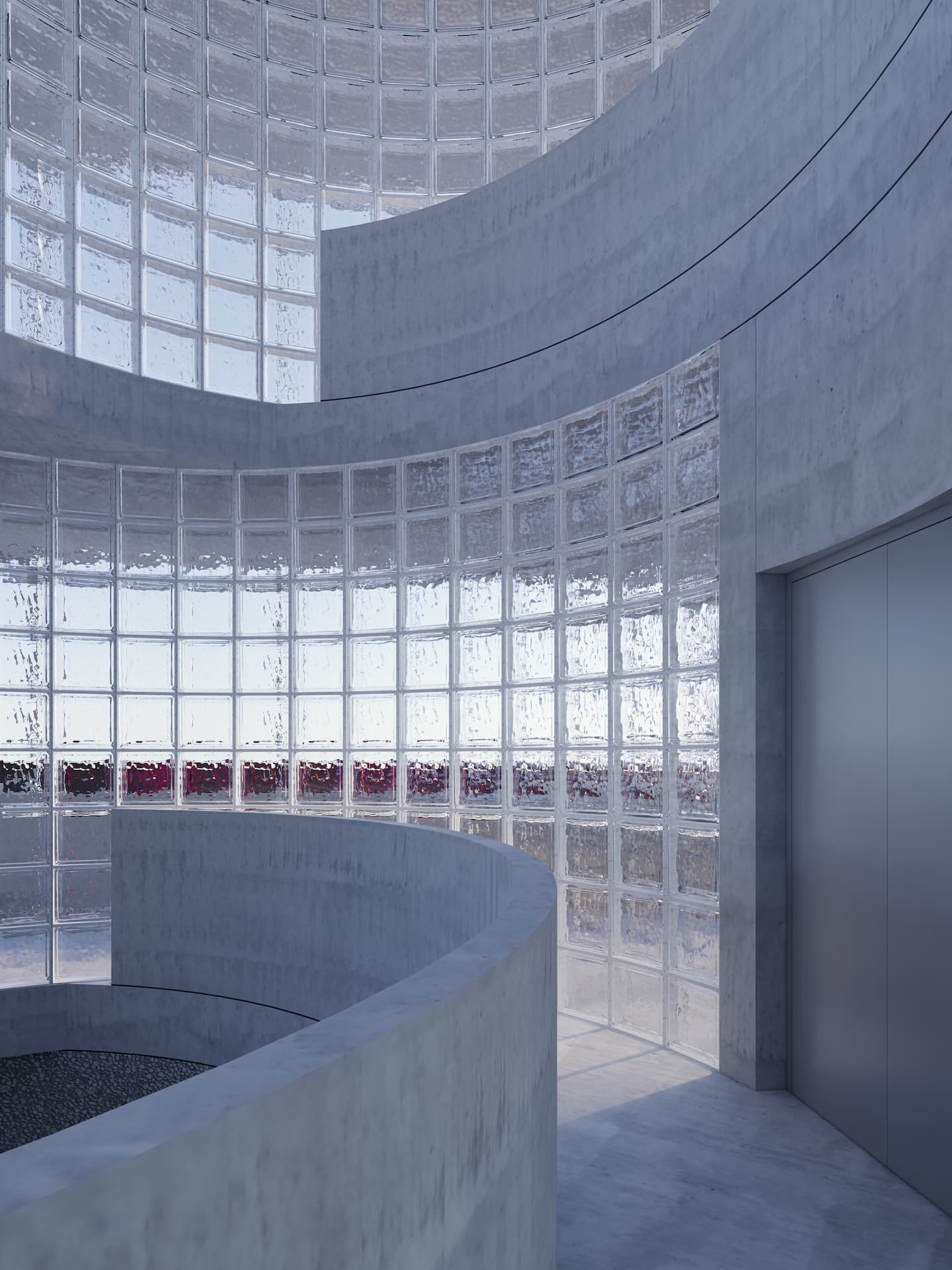
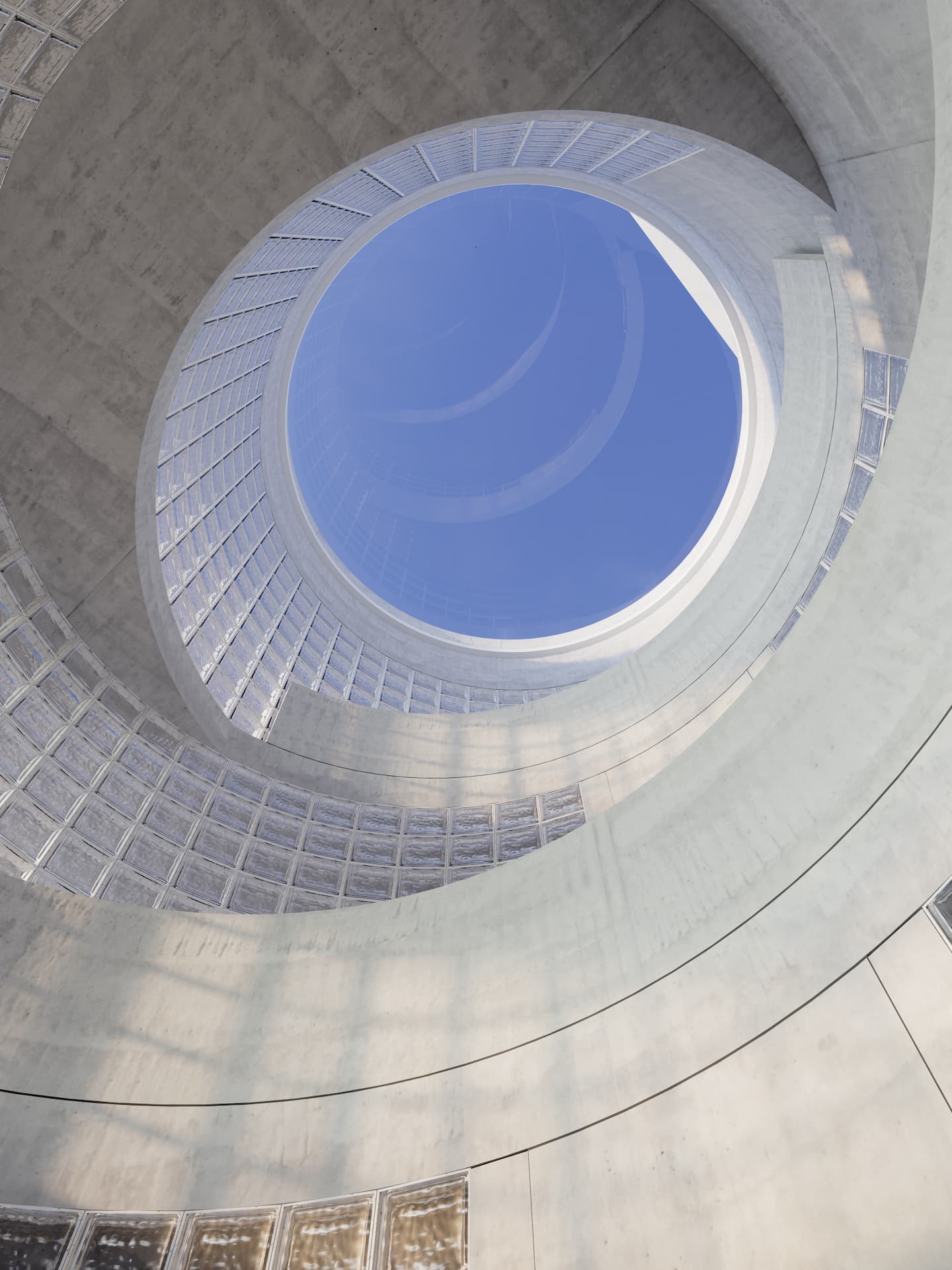
At the center of the floor plate lies the building’s namesake: a monumental, multi-story cylindrical atrium. This core is lined with a skin of translucent glass blocks, transforming the interior into a cathedral of diffused light. As the sun moves across the Amman sky, the glass blockwork captures and scatters illumination, reducing the need for artificial lighting and creating a "breathing" internal atmosphere.
By centering the 3,600 square meters around this vertical light-well, the floor plates are freed from traditional dark corridors. Whether used for high-end retail or open-plan creative offices, every corner of the building remains visually connected to the central "Circle." The ground plane is designed to be porous, inviting the public into a textured landscape of concrete and greenery that mirrors the building's sophisticated materiality.
The project utilizes a palette of raw, board-formed concrete and glass brick, echoing the grey-white tones of Amman while introducing a high-tech, minimalist edge. This thermal mass, combined with the natural stack effect of the central atrium, ensures a passive cooling strategy that aligns modern commercial needs with environmental sensitivity.
The Circle is a 3,600-square-meter commercial landmark designed as a sculptural intervention within the dense urban fabric of Amman. The project challenges the traditional "solid" typology of the city's stone-clad architecture by introducing a rhythmic play of horizontal concrete ribbons and a central, light-carved void.
The building’s identity is defined by its deep, cantilevered concrete slabs that wrap fluidly around the perimeter. These aren't merely aesthetic; they serve as functional brise-soleil, protecting the expansive glass facades from the intense Levantine sun while creating a series of "floating" outdoor terraces. This creates a soft, curvilinear profile that breaks the rigid geometry of the surrounding streetscape, offering a sense of movement and transparency rare in commercial developments of this scale.
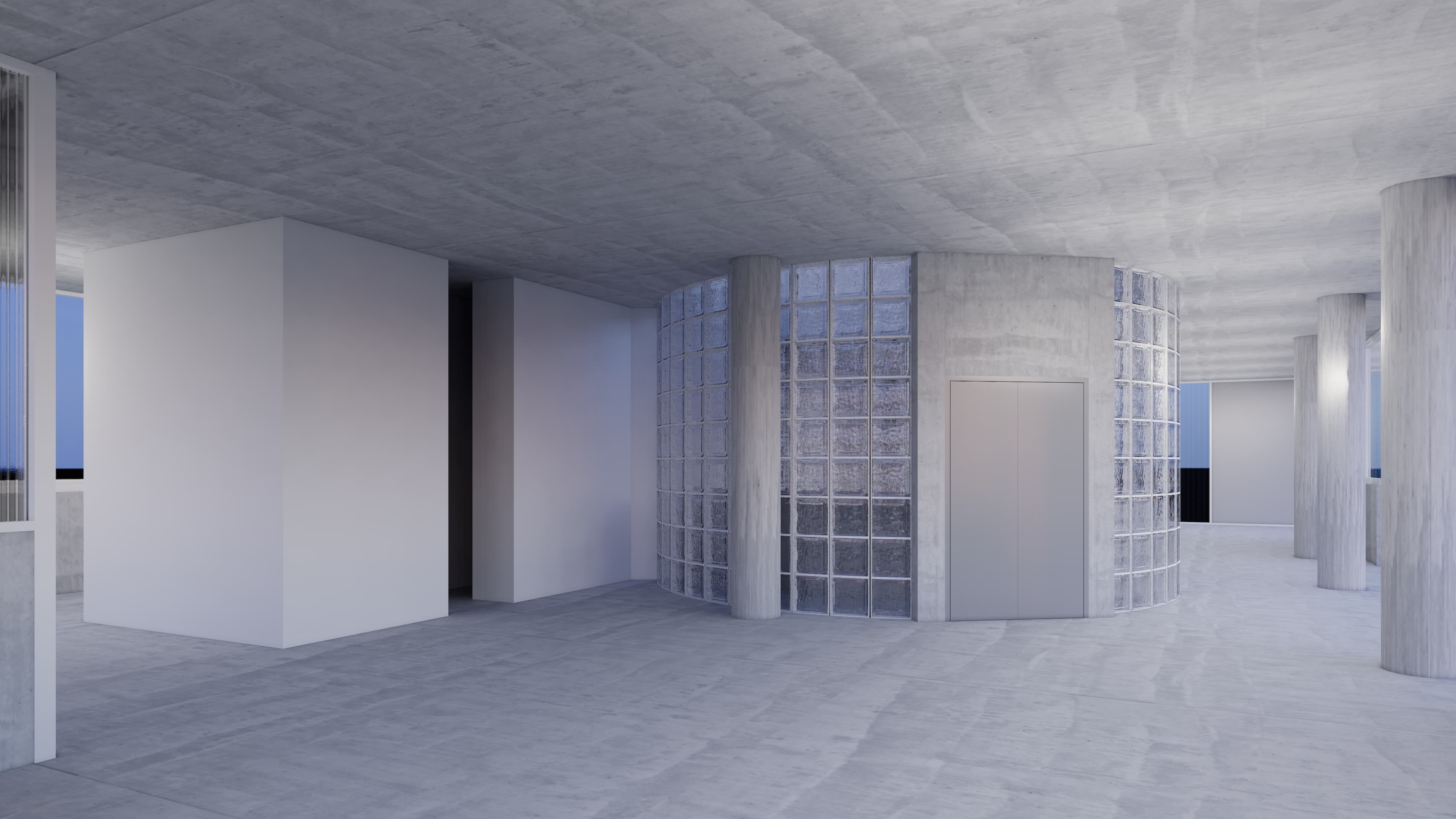
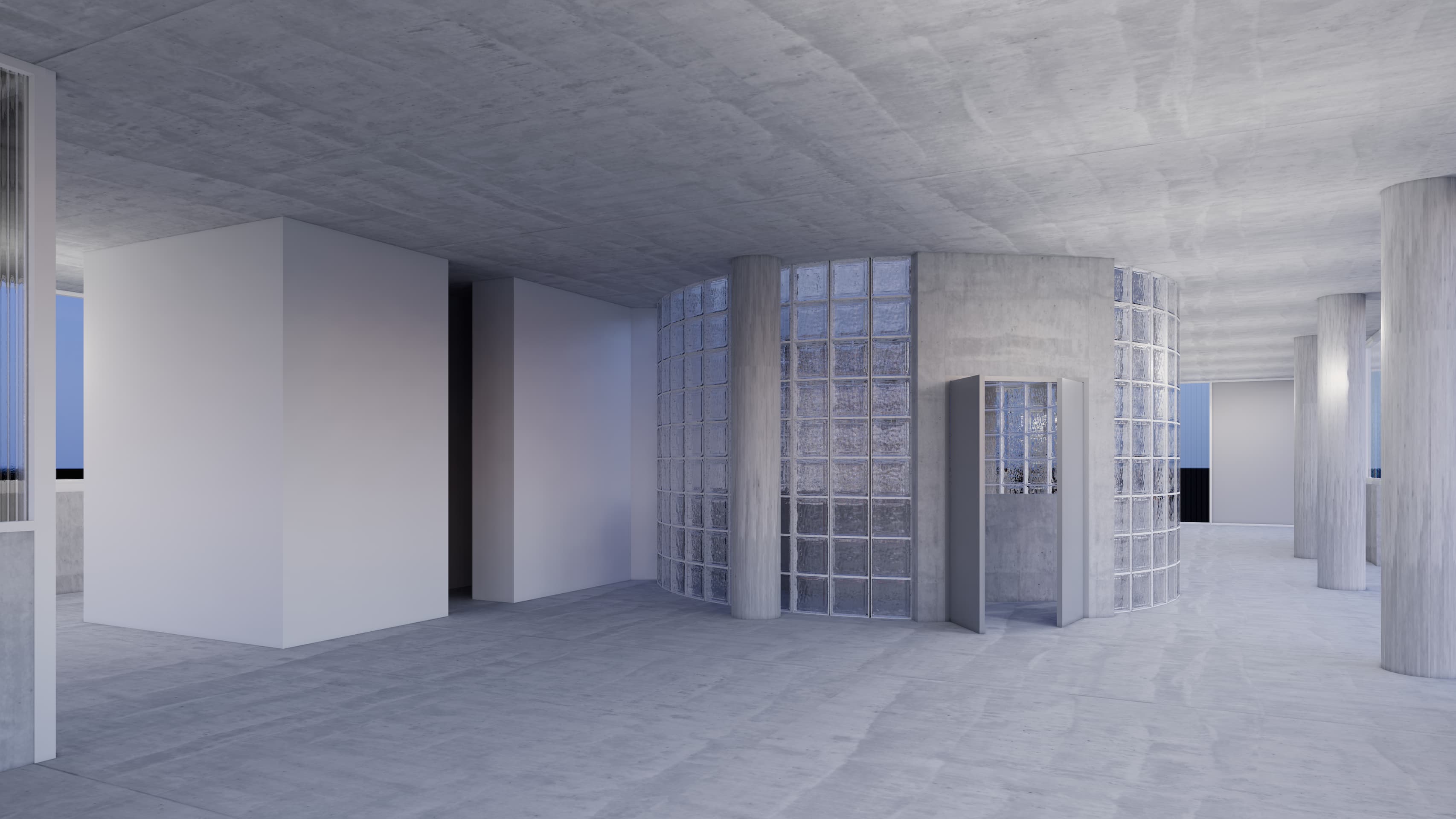
At the center of the floor plate lies the building’s namesake: a monumental, multi-story cylindrical atrium. This core is lined with a skin of translucent glass blocks, transforming the interior into a cathedral of diffused light. As the sun moves across the Amman sky, the glass blockwork captures and scatters illumination, reducing the need for artificial lighting and creating a "breathing" internal atmosphere.
By centering the 3,600 square meters around this vertical light-well, the floor plates are freed from traditional dark corridors. Whether used for high-end retail or open-plan creative offices, every corner of the building remains visually connected to the central "Circle." The ground plane is designed to be porous, inviting the public into a textured landscape of concrete and greenery that mirrors the building's sophisticated materiality.
The project utilizes a palette of raw, board-formed concrete and glass brick, echoing the grey-white tones of Amman while introducing a high-tech, minimalist edge. This thermal mass, combined with the natural stack effect of the central atrium, ensures a passive cooling strategy that aligns modern commercial needs with environmental sensitivity.
(Other works)