DANIEL OST
Scope
Interior Design & Planning
Year
2019
Type
Commercial
Size
350 m²
Status
Completed
Location
Amman , Jordan
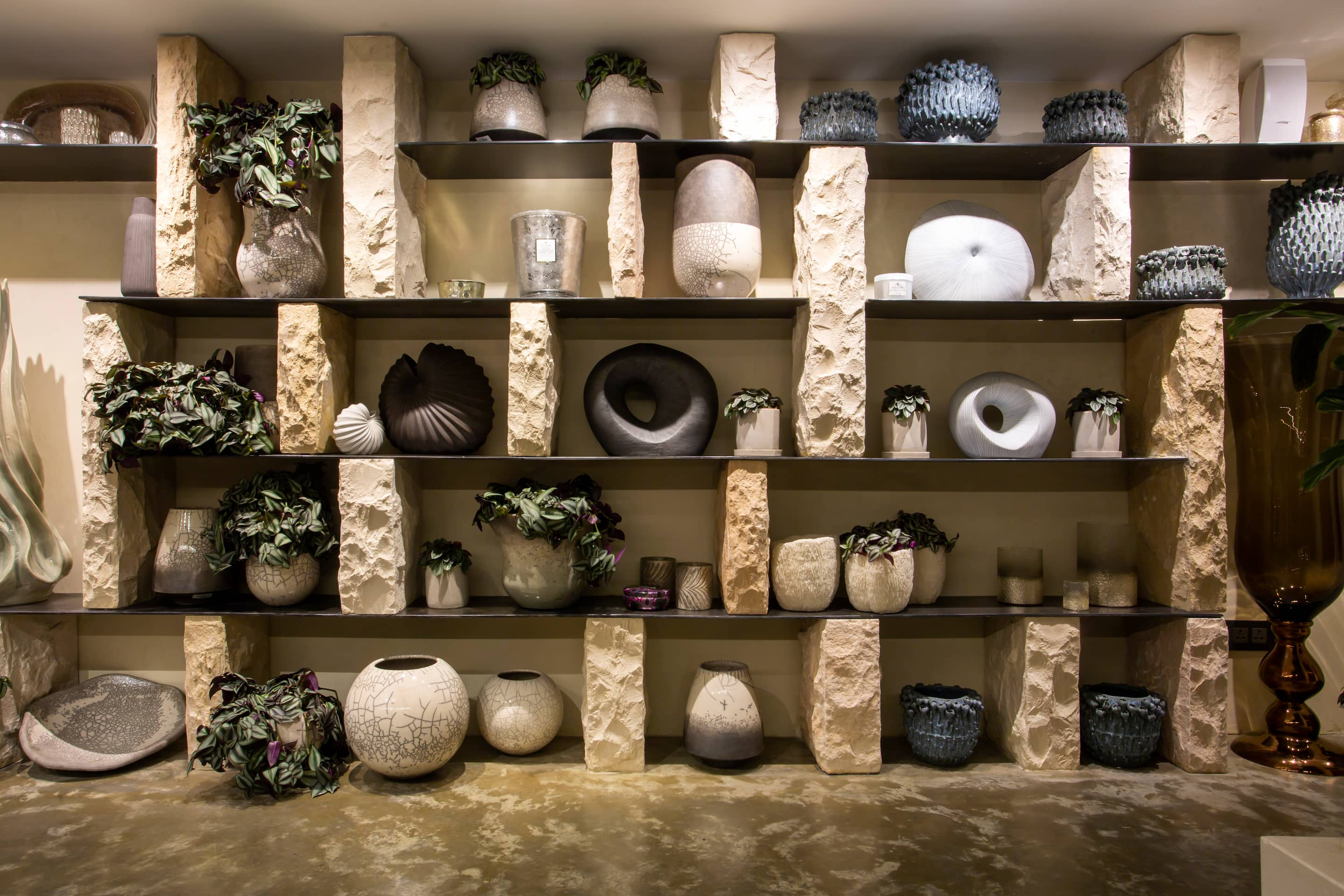
In designing the Daniel Ost florist in Amman, the architectural intent was to create a dialogue between nature and structure, between the fleeting beauty of flowers and the permanence of industrial materials. This space does not simply contain floral arrangements; it places them within an environment that amplifies their temporality. Here, nature is not a decorative element but the core of the spatial narrative. The project aims to immerse the visitor in a setting where flowers are seen against a backdrop of stone, steel, and wood, materials selected for their raw, honest character and cultural resonance.
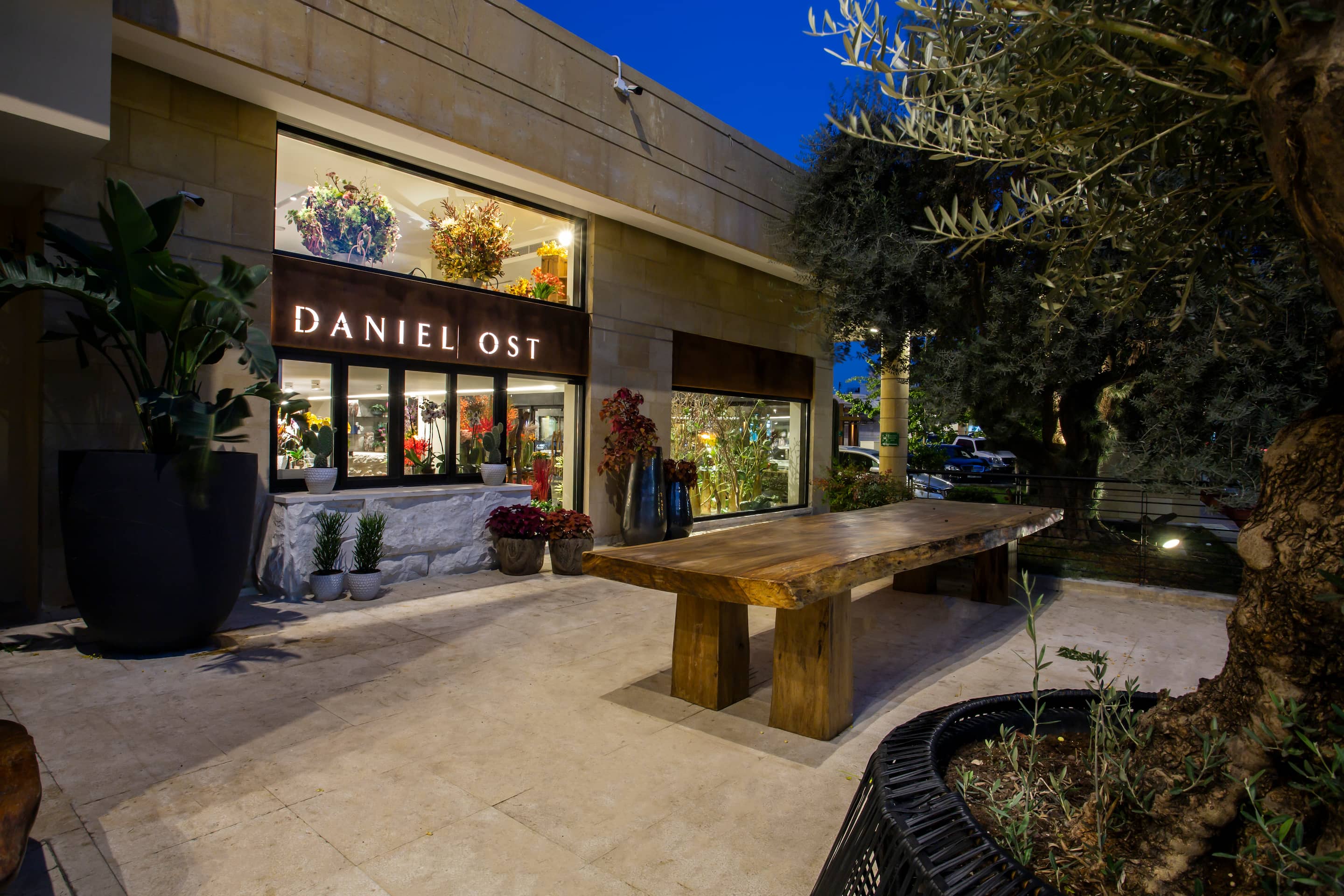
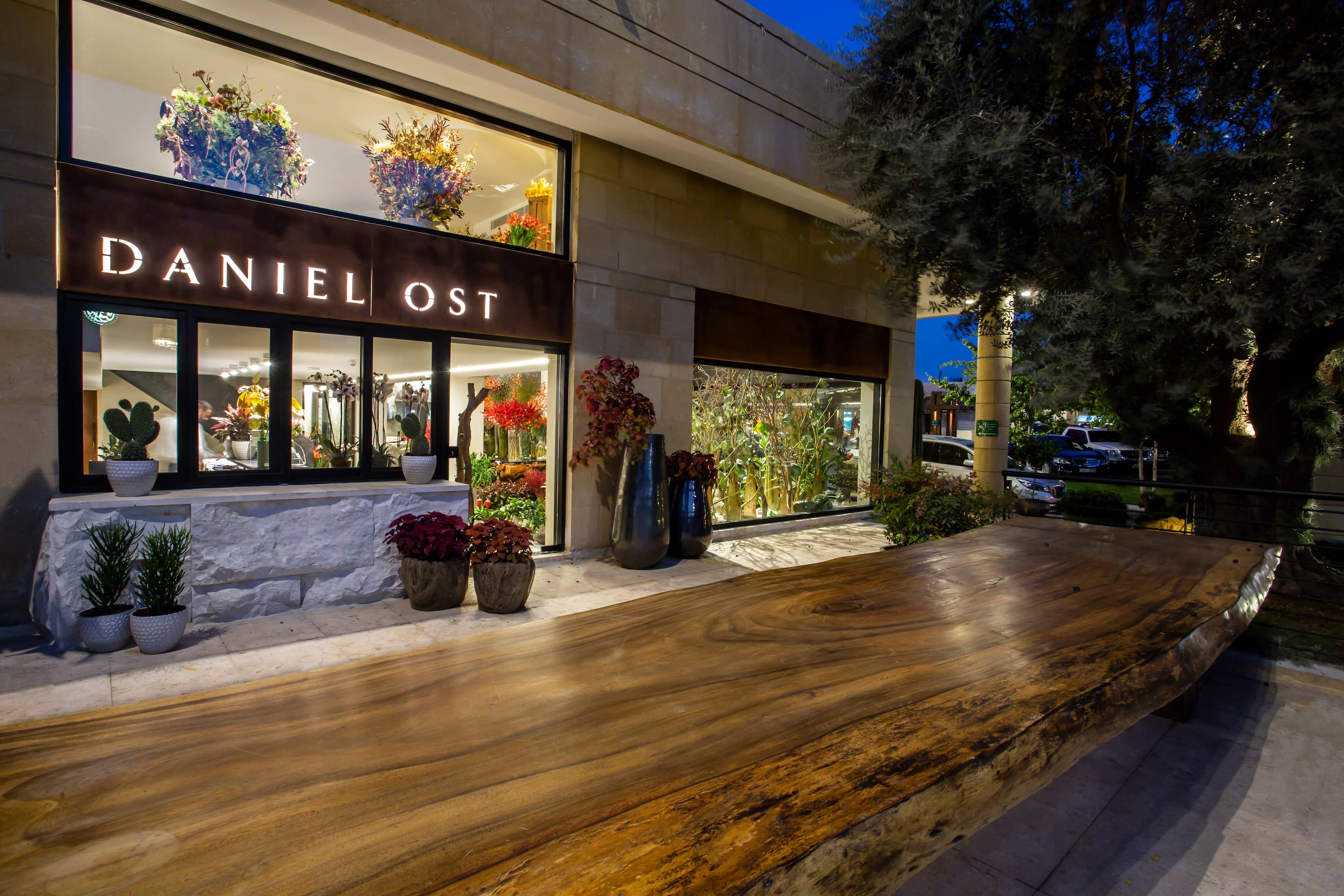
The façade, composed of large-format glazing framed in Corten steel, establishes a tension between delicacy and mass, transparency and opacity. It operates both as threshold and vitrine, simultaneously inviting and withholding, setting the tone for the layered experience within. The oxidized steel, with its stratified patina, evokes both industrial infrastructure and the geology of the Jordanian landscape, anchoring the shop in its urban and territorial context.
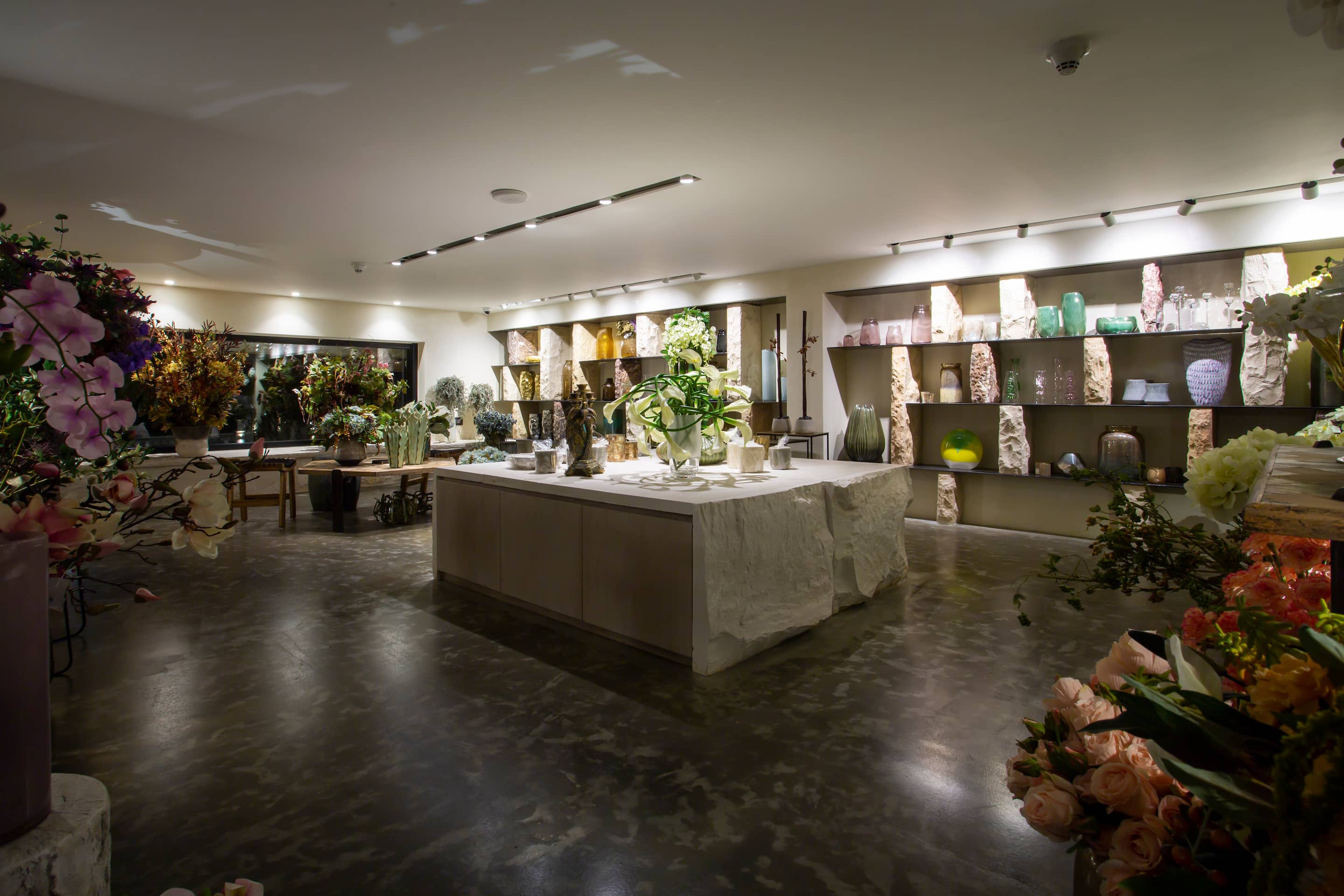
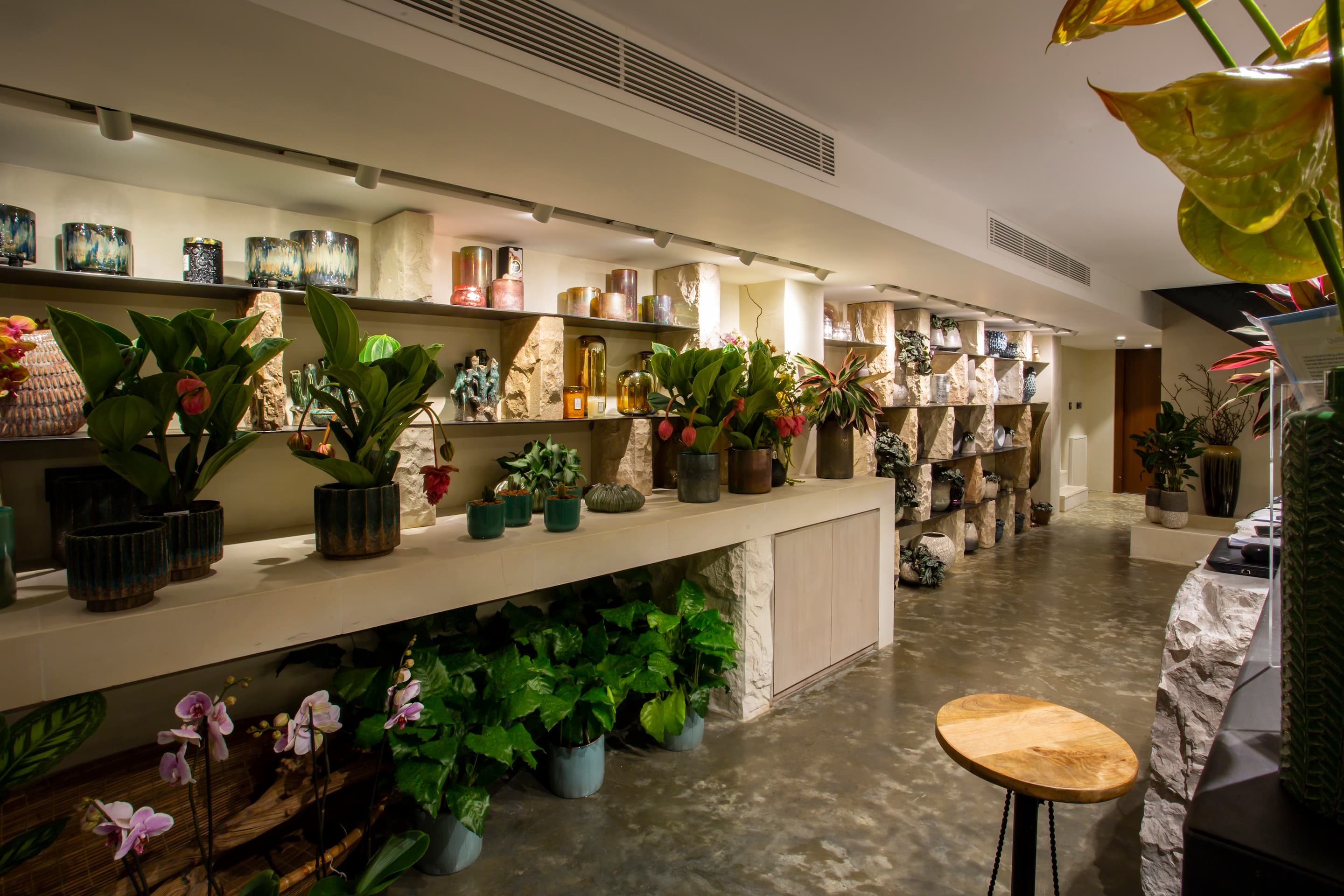
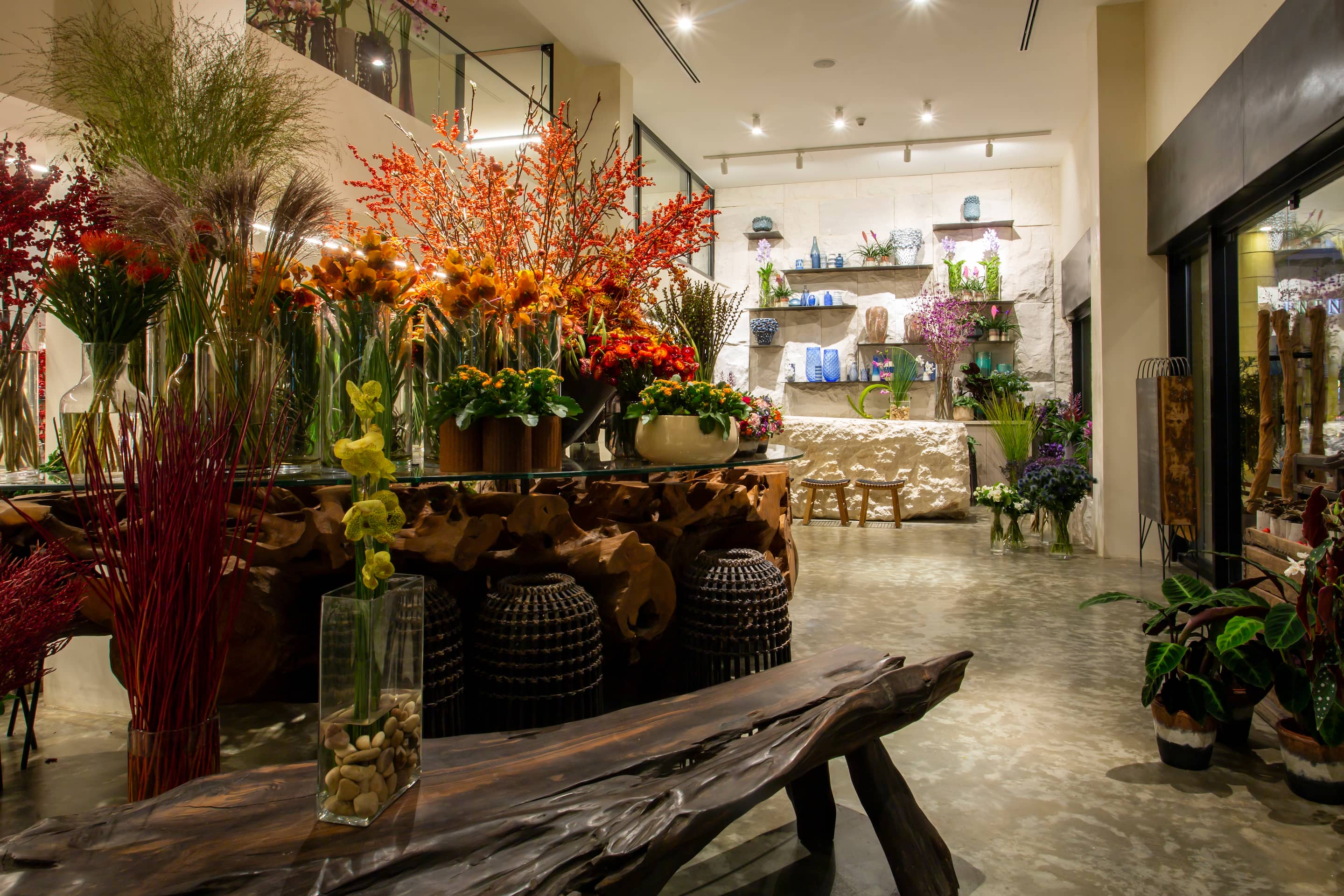
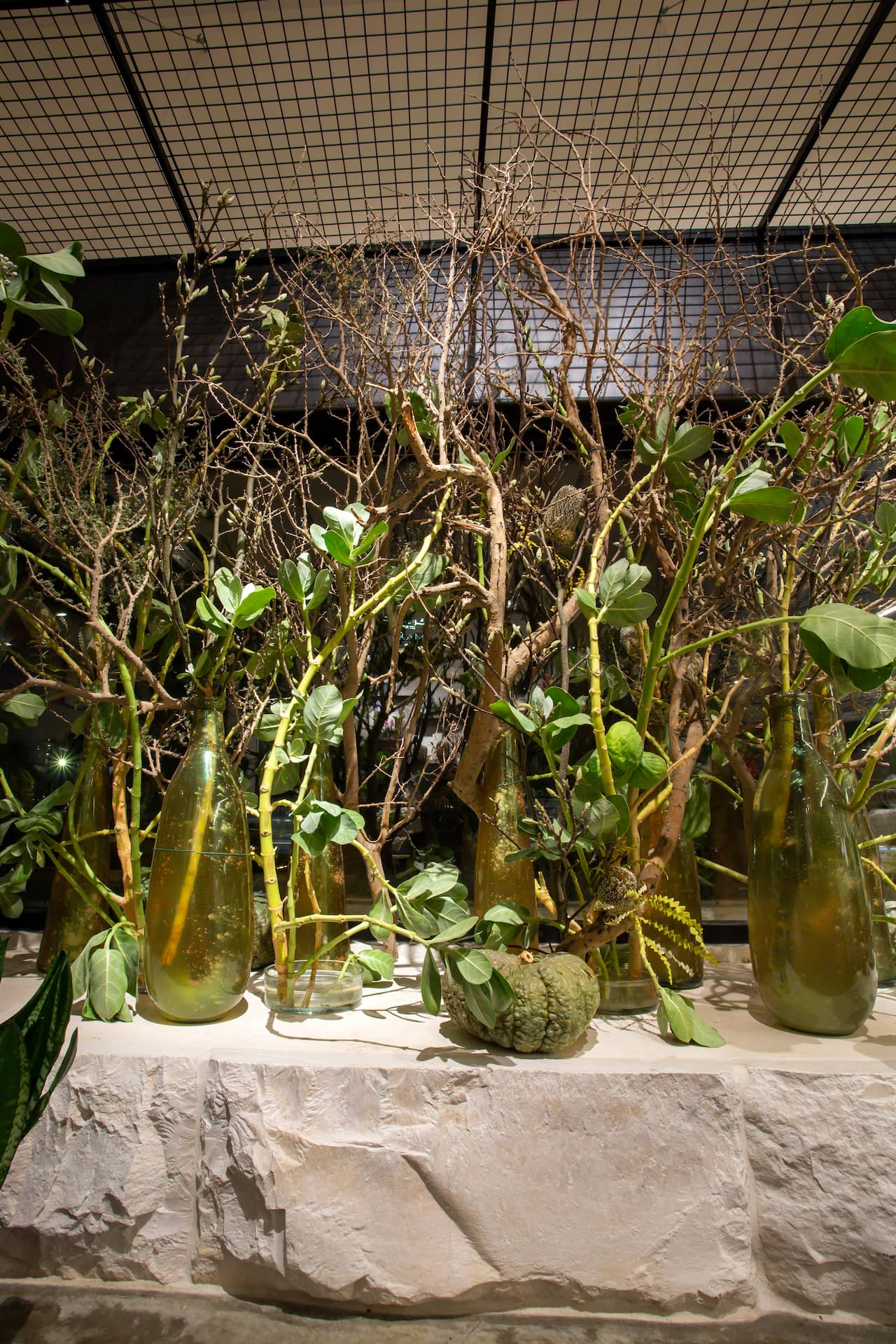
Inside, the space departs from conventional retail typology. It is envisioned as a curated terrain—a constructed landscape made of white limestone monoliths, quarried in large blocks and left in a raw split-face finish. These elements reach a uniform height of one meter and serve various functions, from display platforms to reception surfaces. Raw, untreated wood is introduced as a complementary material, most notably in the form of a single irregular log whose organic texture contrasts the formality of stone and recalls the lifecycle of the flowers themselves.
In designing the Daniel Ost florist in Amman, the architectural intent was to create a dialogue between nature and structure, between the fleeting beauty of flowers and the permanence of industrial materials. This space does not simply contain floral arrangements; it places them within an environment that amplifies their temporality. Here, nature is not a decorative element but the core of the spatial narrative. The project aims to immerse the visitor in a setting where flowers are seen against a backdrop of stone, steel, and wood, materials selected for their raw, honest character and cultural resonance.
The façade, composed of large-format glazing framed in Corten steel, establishes a tension between delicacy and mass, transparency and opacity. It operates both as threshold and vitrine, simultaneously inviting and withholding, setting the tone for the layered experience within. The oxidized steel, with its stratified patina, evokes both industrial infrastructure and the geology of the Jordanian landscape, anchoring the shop in its urban and territorial context.
Inside, the space departs from conventional retail typology. It is envisioned as a curated terrain—a constructed landscape made of white limestone monoliths, quarried in large blocks and left in a raw split-face finish. These elements reach a uniform height of one meter and serve various functions, from display platforms to reception surfaces. Raw, untreated wood is introduced as a complementary material, most notably in the form of a single irregular log whose organic texture contrasts the formality of stone and recalls the lifecycle of the flowers themselves.
(Other works)